
Greenland: The Frozen Paradise Exploring Nature, Culture, And Opportunities - However, Greenland's economy faces challenges due to its remote location and harsh climate. The government has been working to diversify the economy and reduce dependency on subsidies from Denmark. Investments in infrastructure and education are key components of this strategy. Why expedition travel is the best way to see Greenland [Visit Greenland!]
However, Greenland's economy faces challenges due to its remote location and harsh climate. The government has been working to diversify the economy and reduce dependency on subsidies from Denmark. Investments in infrastructure and education are key components of this strategy.
Greenland has become an increasingly popular destination for eco-tourism and adventure travel. Visitors are drawn to its stunning natural landscapes, including glaciers, fjords, and icebergs. Activities such as dog sledding, kayaking, and hiking offer unique opportunities to experience the Arctic environment firsthand.
Located between the Arctic and Atlantic Oceans, Greenland is a Danish autonomous territory that boasts a fascinating blend of history, culture, and modern development. Despite its remote location, Greenland has gained increasing attention from scientists, explorers, and tourists eager to explore its unspoiled wilderness and learn about its rich heritage.
Greenland's government has implemented policies to protect its natural resources and promote environmentally friendly practices. International cooperation is essential in addressing these challenges and ensuring the long-term sustainability of Greenland's ecosystems.
We invite you to share your thoughts and experiences about Greenland in the comments section below. Additionally, feel free to explore other articles on our site for more insights into this fascinating land. Together, let's continue to appreciate and protect the beauty and potential of Greenland.
/179769392-58b9cab13df78c353c374860.jpg)
To protect its fragile ecosystems, Greenland has established several national parks and protected areas. The Northeast Greenland National Park, for instance, is the largest national park in the world, covering over 972,000 square kilometers.
Greenland's economy is primarily based on fishing, mining, and tourism. The fishing industry is the largest contributor to the country's GDP, with shrimp and halibut being the main exports. Recent discoveries of mineral resources, such as rare earth elements and gold, have sparked interest in mining as a potential growth sector.
The tourism industry in Greenland is growing steadily, with more international visitors arriving each year. Local communities are actively involved in promoting sustainable tourism practices to minimize environmental impact while maximizing economic benefits.
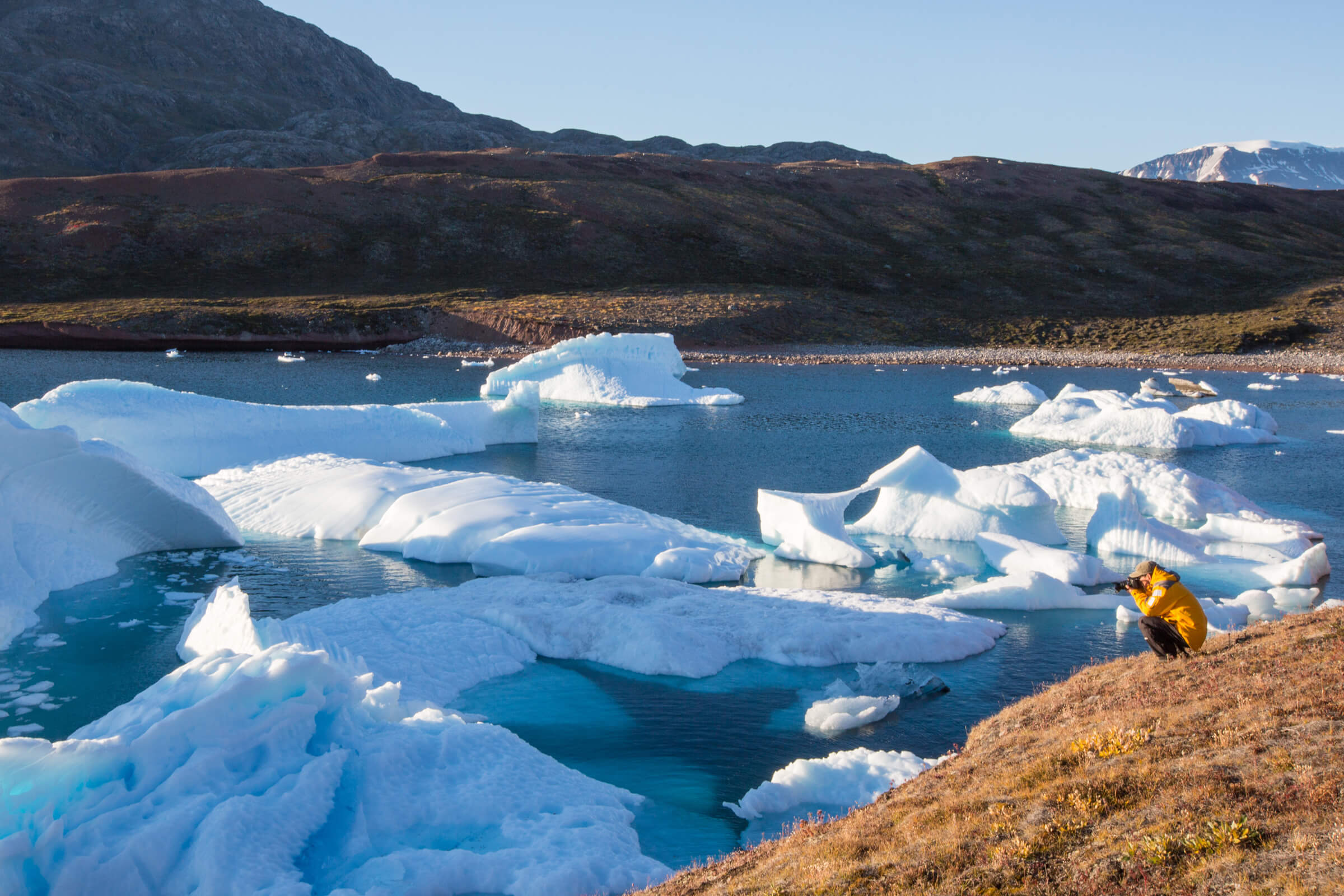
Greenland faces several environmental challenges, including climate change, pollution, and overfishing. The rapid melting of the Greenland Ice Sheet is a major concern, as it contributes to rising sea levels worldwide. Efforts are being made to mitigate these effects through conservation programs and sustainable development practices.
Improving infrastructure is a priority for Greenland, as it seeks to enhance connectivity and support economic growth. Investments in transportation, communication, and energy systems are underway to modernize the country's infrastructure. The construction of new airports and roads is expected to boost tourism and facilitate trade.
International collaborations have led to the establishment of research stations and observatories in Greenland, facilitating groundbreaking discoveries. The data collected in Greenland contributes significantly to global efforts to combat climate change and protect the environment.
Traditional activities such as hunting and fishing remain an integral part of Greenlandic life, especially in rural communities. The Inuit language, Kalaallisut, is the official language of Greenland, and efforts are being made to preserve and promote it alongside Danish.